
Stone-coated metal vs. synthetic resin tiles: which roof should you import?
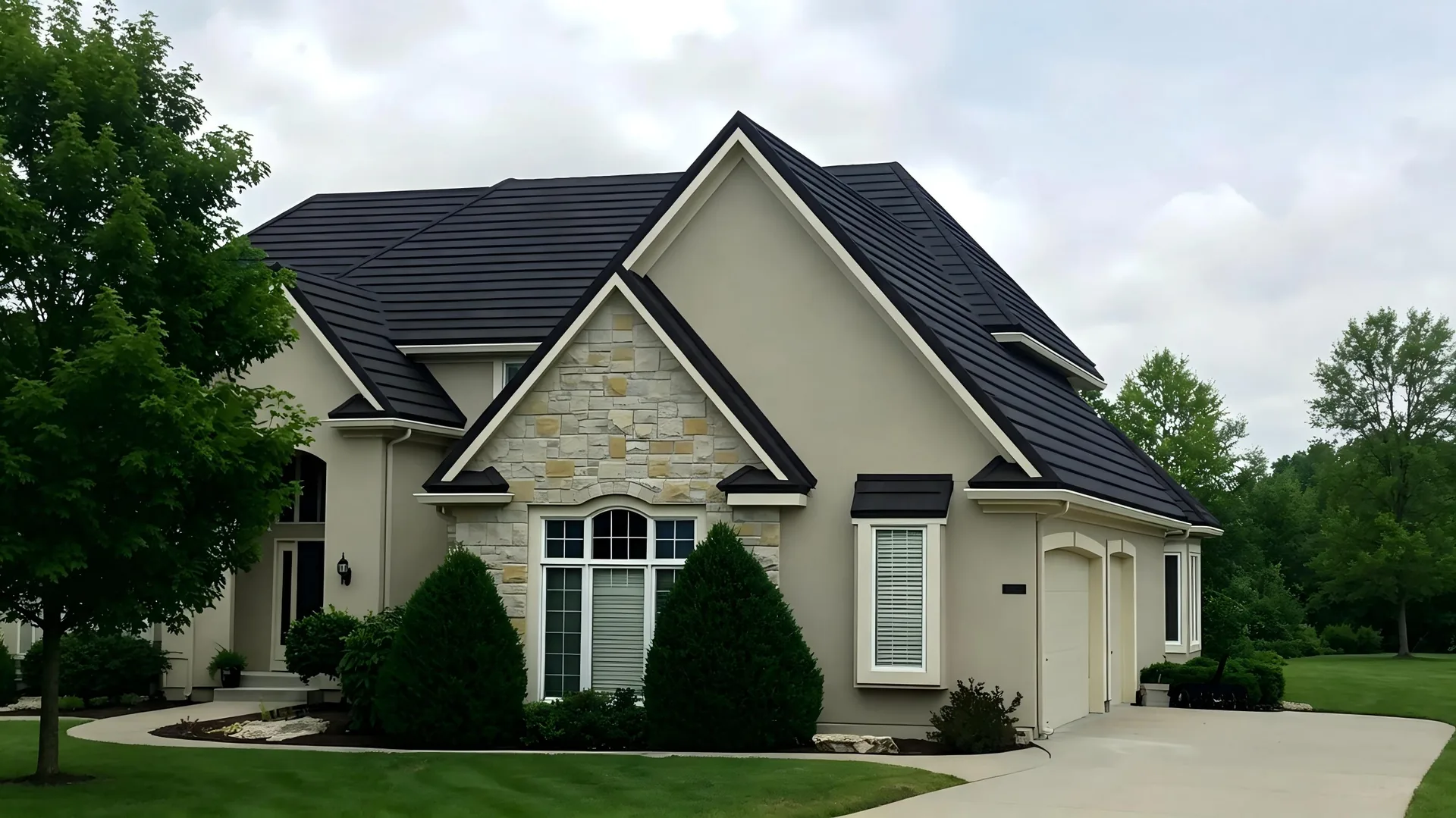
If you sell roofing into a hot, humid or coastal market, the two products that keep coming up are stone-coated metal tiles and synthetic resin (ASA) tiles. They look similar on a brochure and both beat clay and concrete on weight — but they win in different situations. Here is how we help buyers choose.
The 30-second answer
Stone-coated metal tile is the premium, long-life choice: a Galvalume steel base coated with natural stone chips, rated for 40–50 years, fire-safe, and light enough to cut roof-structure cost. Synthetic resin tile (ASA-capped) is the value choice for corrosive and budget-sensitive projects: fully rust-proof, quiet in rain, easy to cut and fit, and typically cheaper per square metre.
Rule of thumb we give distributors: metal for premium residential and long-tender projects; resin for coastal, industrial and price-driven work where metal sheeting used to rust.
Side-by-side comparison
| Factor | Stone-Coated Metal | Synthetic Resin (ASA) |
|---|---|---|
| Core material | Galvalume/Zn-Al steel + stone chips + acrylic | ASA cap + PVC/PMMA co-extruded body |
| Weight | ~7 kg/㎡ | ~6 kg/㎡ |
| Design life | 40–50 years | 20–30 years |
| Corrosion | Excellent (coated steel) | Total — no metal to rust |
| Fire | Non-combustible (Class A) | Flame-retardant (B1), not non-combustible |
| Rain noise | Very low (stone surface) | Low |
| Look | Textured stone, premium profiles | Glazed / antique tile look |
| Relative price | Higher | Lower |
Match the product to the climate
Hot, high-UV regions (Gulf, Sahel, highland Africa)
Both perform, but stone-coated metal's reflective stone surface keeps attics cooler and the colour will not fade the way cheap painted sheet does. This is our most-shipped product to the Gulf and East Africa.
Coastal and corrosive air (islands, ports, chemical zones)
This is where synthetic resin earns its place. There is no steel to corrode, so it outlasts metal sheeting in salt-heavy air. ASA capping resists UV yellowing far better than ordinary PVC tile.
Typhoon and storm belts (SE Asia, Caribbean)
Stone-coated metal with the correct wind-rated fixing pattern is the safer specification — light, mechanically fixed, and tested for uplift.
Margin tip for distributors
Stock metal as your premium line and resin as your volume line. Buyers who cannot afford metal rarely walk away — they switch to resin, and you keep the sale. Carrying both is how our best partners cover an entire market.
What about freight?
Both are light and nest tightly, so a 40HQ container carries a large roof area of either. Resin's lower material cost usually gives the lower landed cost per square metre, while metal gives the higher resale value and longer warranty story. We cover container quantities in our container-loading guide.
So — which should you import?
- Premium residential, long warranties, tenders that score on lifespan: stone-coated metal.
- Coastal, industrial, social-housing and price-led markets: synthetic resin.
- Serving a whole country: carry both, and let the customer's budget pick.
Tell us your market and typical project and we will recommend the profile, colour range and mix of the two that sells best in comparable regions.
Talk to our export team
Product recommendations, samples and container-load pricing for your market.